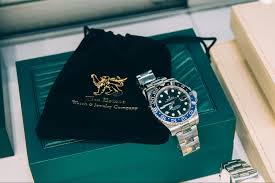

What defines true excellence in horology? The answer lies in a legacy built on innovation, endurance, and uncompromising standards. Since its founding in 1905, rolex has redefined the meaning of precision watchmaking by consistently introducing groundbreaking advancements that set new industry benchmarks. From the invention of the first waterproof wristwatch case in 1926 to the development of self-winding mechanical movements, the brand has demonstrated a continuous commitment to technical mastery and timeless design.
How did this heritage evolve into global recognition? Historical records show that by the mid-20th century, the brand had already established itself as a pioneer in chronometric performance. Independent testing institutions repeatedly certified its movements for accuracy, with performance deviations often measured in mere seconds per day. Over decades, these certifications reinforced consumer confidence and strengthened its standing among collectors, professionals, and enthusiasts worldwide.
Why is precision such a critical part of its identity? Statistics within the luxury watch industry consistently indicate that accuracy and durability rank among the top three purchasing factors for buyers. The brand’s in-house testing protocols reportedly exceed standard chronometer requirements, ensuring that every timepiece meets strict internal criteria before release. This dedication to measurable excellence supports long-term reliability, which is a key driver of resale value and customer loyalty.
What role has innovation played in shaping its reputation? Innovation is not limited to aesthetics; it is deeply embedded in engineering. The introduction of the perpetual rotor mechanism transformed automatic watches, enhancing convenience without compromising accuracy. Over time, further material advancements—such as proprietary alloys designed for corrosion resistance—have strengthened performance in extreme environments. Industry trend reports show increasing demand for watches that combine luxury with resilience, a standard long associated with this heritage-driven brand.
How does heritage influence modern collections? Heritage is not simply preserved; it is refined. Iconic design elements, including clean dials, robust cases, and distinctive bracelets, remain consistent while subtle improvements enhance functionality. Data from global luxury market analyses reveal that heritage-based storytelling significantly increases consumer trust, with more than 60% of high-end buyers favoring brands with documented historical milestones. This alignment between tradition and contemporary refinement reinforces long-term desirability.
What makes the brand a symbol of excellence beyond watchmaking? Over the decades, the brand has aligned itself with achievements in exploration, science, and sports. Historical milestones include timepieces accompanying deep-sea expeditions and high-altitude climbs, demonstrating measurable reliability under extreme pressure and temperature variations. Such real-world testing conditions validate engineering claims, turning marketing narratives into documented achievements supported by performance data.
How has global demand shaped its legacy? Market research consistently positions the brand among the most recognized luxury watch names worldwide. In various annual industry reports, it ranks at or near the top in brand value within the watch sector. Strong secondary market performance further highlights sustained demand, with certain models appreciating significantly over time. This pattern reflects a combination of limited production, consistent quality control, and enduring brand equity.
Why does craftsmanship remain central to its success? Every component undergoes rigorous inspection, often involving advanced technology combined with skilled manual assembly. The integration of modern manufacturing processes with traditional craftsmanship ensures both precision and aesthetic refinement. Studies on consumer behavior indicate that transparency in production standards enhances perceived value, particularly in luxury markets where quality assurance influences purchasing decisions.
How does the brand maintain relevance in a rapidly evolving market? Adaptation is balanced with restraint. While new materials and technological enhancements are introduced, the core identity remains intact. Sustainability initiatives and responsible sourcing practices have also gained prominence in recent years, aligning the heritage of excellence with modern ethical expectations. Industry trends show growing consumer awareness regarding environmental responsibility, making such initiatives a strategic priority.
What ultimately defines this enduring legacy? It is the seamless blend of measurable precision, historical milestones, and forward-looking innovation. More than a century of consistent performance standards has positioned the brand as a benchmark in luxury timekeeping. Through disciplined craftsmanship, strategic evolution, and an unwavering focus on excellence, its heritage continues to shape the future of horology while honoring a legacy built on accuracy, resilience, and timeless distinction.