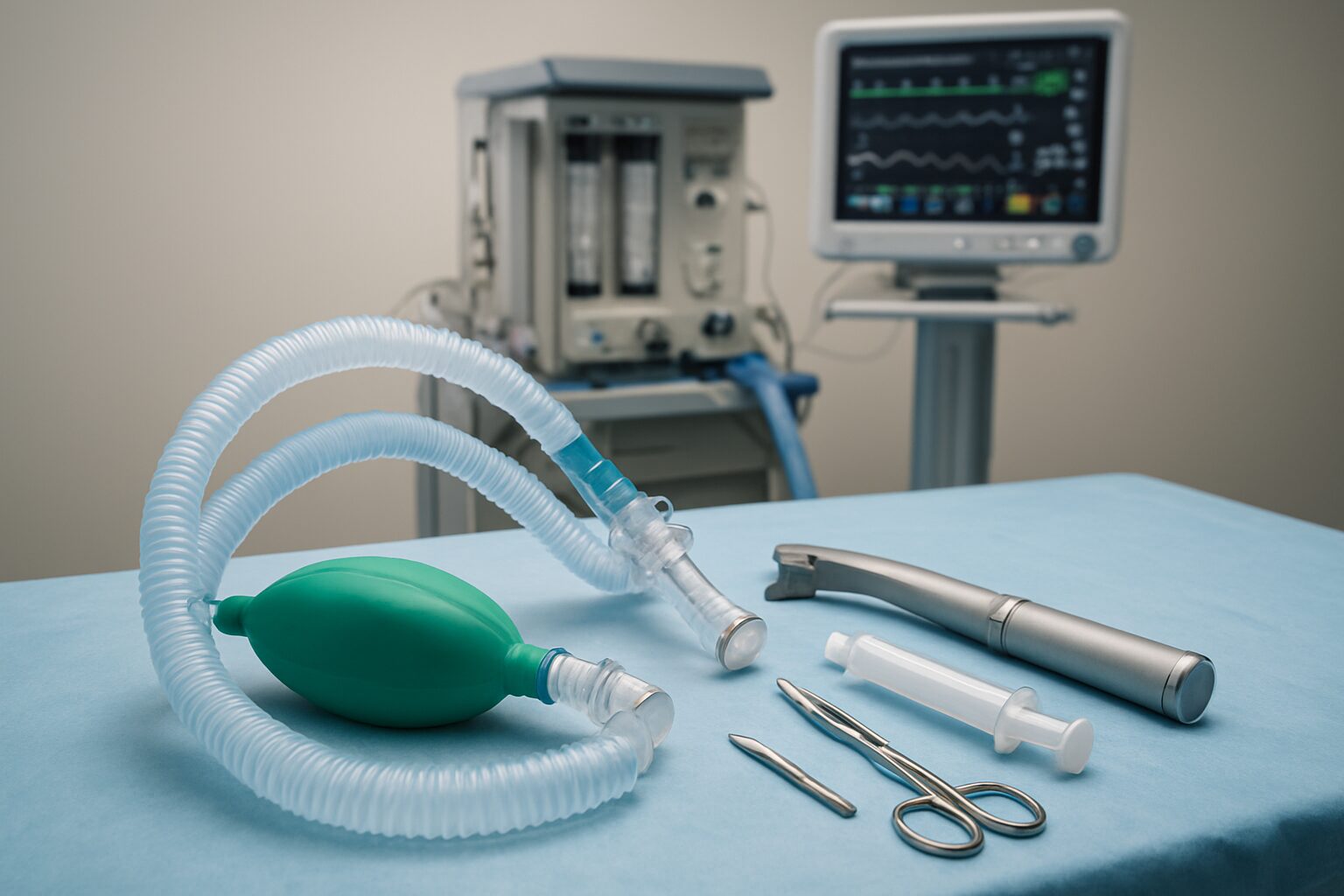
Patient-centered anesthesia care has become a defining standard in modern surgical medicine, where clinical precision and individualized attention work together to improve outcomes. The focus has shifted from routine procedural support to a more holistic approach that considers patient safety, comfort, and recovery quality. Within this evolving framework, Dr Andrew Hummel demonstrates a strong commitment to delivering anesthesia care that is both scientifically advanced and deeply responsive to patient needs across diverse surgical environments.
How does patient-centered anesthesia improve surgical experiences?
Patient-centered anesthesia improves surgical experiences by tailoring care plans according to each patient’s unique medical profile. Instead of applying a uniform approach, anesthesiologists evaluate factors such as medical history, current health conditions, and surgical complexity. This allows for more accurate dosing, better pain control, and reduced risk of complications. Statistical trends in modern surgical care show that individualized anesthesia strategies lead to higher patient satisfaction scores and faster recovery times. Patients also experience reduced anxiety when they are actively informed and involved in their care planning process.
What makes communication essential in anesthesia care delivery?
Communication plays a critical role in ensuring safe and effective anesthesia care. Clear dialogue between anesthesiologists, surgeons, nurses, and patients helps align expectations and reduces the chances of errors during surgery. Preoperative communication allows patients to understand the procedure and anesthesia plan, which significantly lowers stress levels. Intraoperative coordination ensures that any changes in patient status are addressed immediately. Postoperative communication supports recovery by ensuring proper pain management and follow-up care. Strong communication frameworks are consistently associated with improved clinical efficiency and better surgical outcomes.
How is safety maintained in modern anesthesia practices?
Safety in modern anesthesia practices is maintained through continuous monitoring, standardized protocols, and rapid response systems. Vital signs such as heart rate, blood pressure, oxygen saturation, and respiratory function are tracked in real time. This allows anesthesiologists to detect and respond to even minor physiological changes. Preoperative screening helps identify risk factors early, reducing the likelihood of complications during surgery. Postoperative observation ensures that recovery progresses smoothly and pain is effectively managed. These combined measures significantly reduce perioperative risks and enhance overall patient safety.
What role does expertise play in improving patient outcomes?
Expertise is a key factor in achieving positive patient outcomes in anesthesia care. Experienced anesthesiologists can anticipate complications, adjust anesthetic plans quickly, and manage complex surgical situations with confidence. This level of clinical judgment is developed through years of training and hands-on experience across different surgical specialties. In high-performance medical environments such as Dr Andrew Hummel St. Louis, expert-led anesthesia care ensures that patients receive precise, safe, and efficient treatment tailored to their specific surgical needs. This leads to improved recovery rates and reduced postoperative complications.
How do modern technologies enhance anesthesia precision?
Modern technologies have significantly improved anesthesia precision by enabling real-time data analysis and automated monitoring systems. Advanced anesthesia machines provide continuous feedback on patient physiology, allowing for accurate adjustments in drug delivery. Ultrasound-guided techniques have also improved the accuracy of regional anesthesia, reducing risks and enhancing effectiveness. Digital monitoring systems ensure that even subtle changes in patient status are detected early. These technological advancements contribute to safer surgeries and more predictable recovery patterns.
Why is individualized care important in anesthesia management?
Individualized care is essential in anesthesia management because every patient responds differently to anesthetic agents. Personalized planning ensures that medication types, dosages, and delivery methods are suited to the patient’s physical condition and surgical requirements. This reduces the likelihood of adverse reactions and improves overall surgical comfort. It also supports faster recovery by minimizing unnecessary medication exposure. Patients benefit from a more controlled and predictable anesthesia experience that prioritizes their safety and well-being at every stage.
How does teamwork contribute to excellence in anesthesia care?
Teamwork is fundamental to achieving excellence in anesthesia care because surgical success depends on seamless coordination among multiple healthcare professionals. Anesthesiologists, surgeons, nurses, and support staff must work together efficiently to ensure patient stability throughout the procedure. Effective teamwork reduces delays, prevents miscommunication, and enhances response times during critical situations. A collaborative environment also supports continuous learning and quality improvement, which ultimately leads to higher standards of patient care.
In conclusion, patient-centered anesthesia care continues to redefine modern surgical medicine through precision, communication, and individualized treatment approaches. The integration of expertise, technology, and teamwork ensures safer procedures and better recovery outcomes for patients. The dedication to excellence demonstrated by Dr Andrew Hummel reflects the evolving standards of anesthesiology, where patient safety and comfort remain at the core of every clinical decision.
Bottom of Form